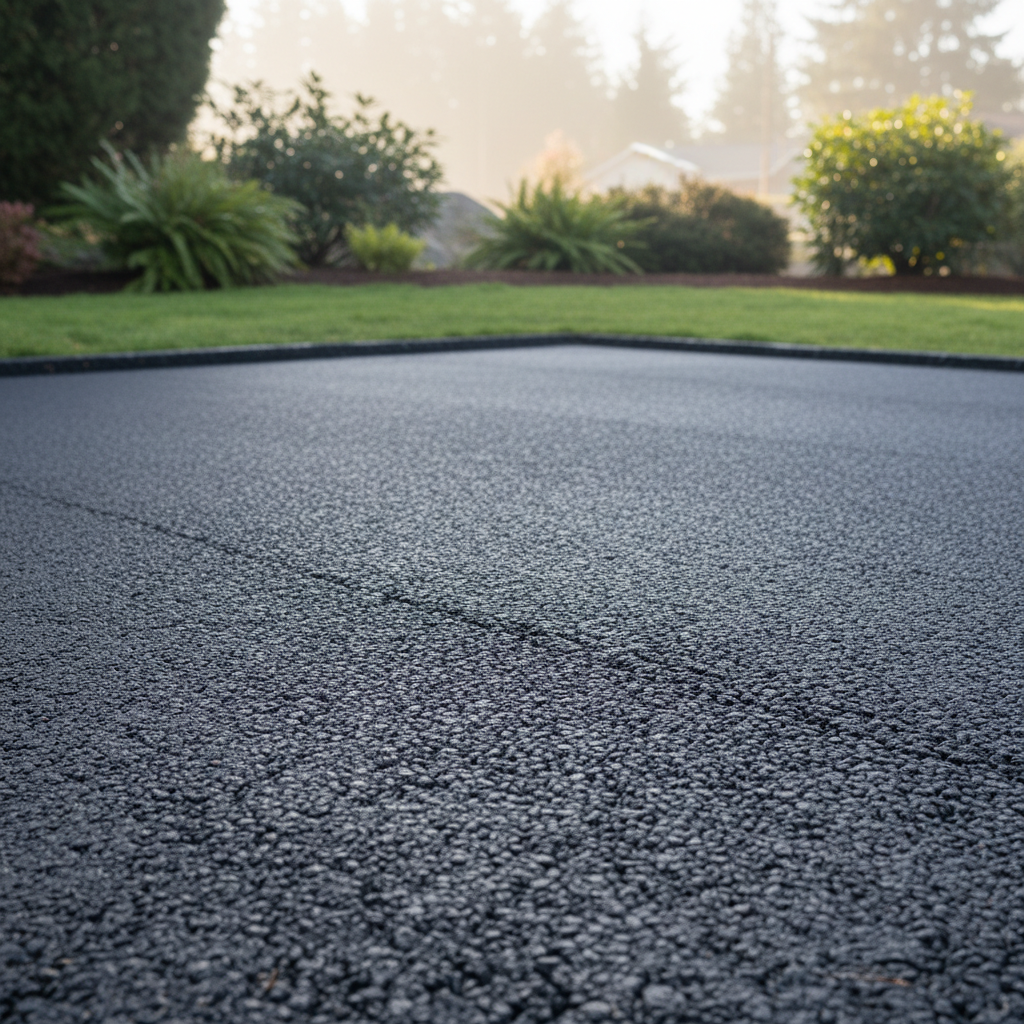
So, you're looking at your gravel driveway or that cracked-up old asphalt parking pad and thinking, 'It's time.' Paving a parking area at your home isn't a small job, but it's one that adds a ton of curb appeal and functionality. You might be wondering what you can tackle yourself and when you absolutely need to call in a pro. Let's break it down.
Before the Shovels Hit the Ground: Planning & Prep
Before any asphalt truck rolls up, you've got some decisions to make. First off, what's the purpose? Is it just for a couple of cars, or are you planning on parking an RV or a boat? The expected load will dictate the base material and asphalt thickness. Don't skimp here; a good foundation is everything. Around Everett, especially with our clay soils in areas like Silver Lake, proper drainage and a robust sub-base are non-negotiable. You don't want water pooling and eroding your investment.
You'll need to think about drainage. Where will the water go when it rains? You can't just let it run off onto your neighbor's property or into your foundation. Grading is critical. A slight slope, usually 1-2%, is ideal to direct water away. This is where a professional eye really helps. They know how to read the landscape and plan for effective water management.
Can you do any prep yourself? Sure, you can mark out the area, clear brush, and even start digging out the old material if you're feeling ambitious and have access to heavy equipment. But remember, it's not just about digging a hole; it's about achieving a consistent depth and proper compaction of the subgrade. If you're not experienced with operating an excavator or a skid steer, or if you don't have a laser level to ensure proper grade, you're likely better off letting the pros handle the bulk excavation and grading. A bad grade means bad drainage, and that means a short lifespan for your new parking lot.
During the Project: What to Expect & When to Step Back
Once the site is prepped, the next step is laying the base. This usually involves crushed rock, often called 'compacted aggregate base' or 'crushed surfacing top course' (CSTC) around here. It's spread, graded, and then compacted with a heavy roller. This base provides strength and helps with drainage. Again, proper compaction is key. If you try to do this with a hand tamper, you're going to be disappointed. You need a vibratory roller, and those aren't cheap to rent or easy to operate correctly.
Then comes the asphalt. This is definitely a job for professionals. Hot mix asphalt needs to be laid quickly, at a specific temperature, and then compacted immediately. It's a precise process that requires specialized equipment like asphalt pavers and heavy rollers. Trying to hand-lay asphalt for anything larger than a small patch is a recipe for disaster. You'll end up with uneven surfaces, poor compaction, and a parking lot that won't last. Valley Asphalt Solutions has the equipment and the crew to get this done right, ensuring a smooth, durable finish.
What you *can* do during this phase is communicate. Be available to answer questions, confirm property lines, and make sure everyone's on the same page about the finished look. Watch the process, ask questions, and learn. It's your property, after all.
After the Paving: Curing, Maintenance & Longevity
Once the asphalt is down, it needs time to cure. This isn't like concrete that sets up in hours. Asphalt cures over several months, becoming harder and more durable. For the first few days, avoid parking heavy vehicles on it or turning your steering wheel sharply while stationary. Those actions can leave marks or even indentations in fresh asphalt. Give it at least 24-48 hours before walking on it, and a few days before driving on it, depending on the weather and thickness.
Maintenance is where you, the homeowner, really come in. A well-maintained asphalt parking lot can last 20-30 years, but neglect will cut that in half. Here's what you need to do:
- Keep it Clean: Sweep off dirt, leaves, and debris regularly. Organic matter can hold moisture and break down the asphalt over time.
- Address Spills Immediately: Oil, gas, and other automotive fluids are asphalt's enemy. They dissolve the binder that holds the aggregate together. Clean them up quickly with an absorbent material.
- Sealcoating: This is huge. A good sealcoat protects your asphalt from UV rays, water penetration, and oxidation. I recommend sealcoating every 2-3 years, depending on traffic and sun exposure. It's like sunscreen for your driveway. You can try to do this yourself for a small area, but for a larger parking lot, hiring a professional ensures even application and proper product.
- Crack Repair: Small cracks will appear over time. Don't ignore them! Water gets into cracks, freezes, expands, and turns small cracks into big potholes. Fill cracks with a good quality crack filler as soon as you see them. This is definitely a DIY job you can handle.
Paving a parking lot is a significant investment, and doing it right from the start saves you headaches and money down the line. While some basic prep and all the ongoing maintenance are well within a homeowner's capabilities, the heavy lifting of excavation, grading, and especially the asphalt laying itself, is best left to experienced professionals like us at Valley Asphalt Solutions. We're here to help you get a durable, good-looking parking area that adds value to your Everett home for years to come.