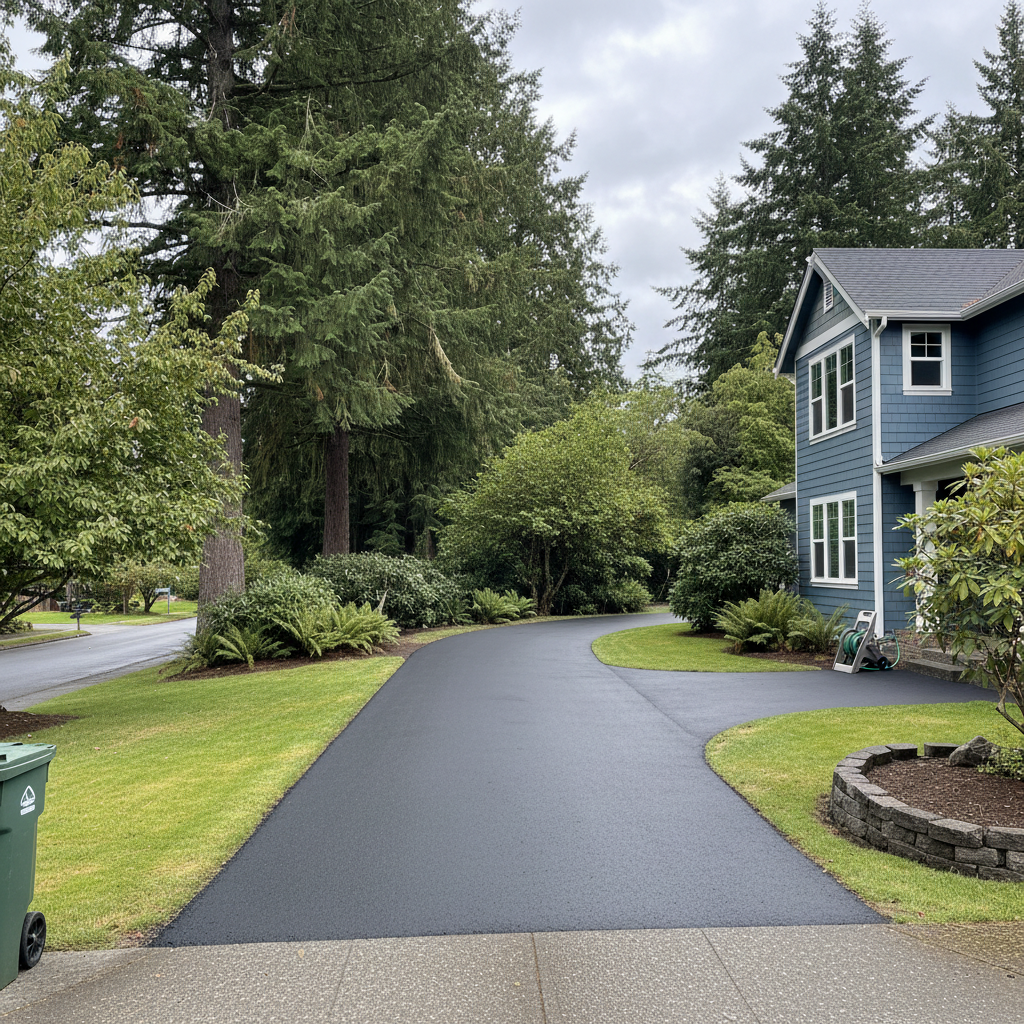
Thinking about a new driveway? That's a big investment, and you want it done right. A lot of folks just call around for bids, pick the cheapest one, and hope for the best. That's a recipe for headaches down the road, trust me. Here's what I tell my neighbors and customers when they're getting ready to tackle a driveway paving project.
Your Paving Project Timeline: What to Expect
Let's talk about timing. This isn't a weekend DIY job. From your first call to the final sweep, a quality driveway project usually takes a few weeks, sometimes more, depending on the scope and the weather. First, you'll need to get a few estimates. Don't just get one; get three. This gives you a good feel for pricing and different approaches. Once you pick a contractor, they'll schedule a site visit to confirm measurements, discuss drainage, and look for any potential issues like underground utilities or tricky slopes. This initial assessment is crucial, especially with our clay-heavy soils around areas like Silver Lake, which can really impact drainage if not handled correctly.
After that, there's the scheduling. Good contractors are busy, especially during our drier summer months. You might be looking at a few weeks out for the actual work to start. The paving itself usually takes a few days, depending on the size of your driveway and the crew. Then comes the curing time. You can't just drive on it the next day. We'll give you specific instructions, but generally, you're looking at 2-3 days before light traffic and a week or more before heavy vehicles. Patience here saves you a lot of grief later.
The Paving Process: What Happens on Site
Okay, so the crew shows up. What's going to happen? First, they'll remove the old driveway, if there is one. This involves heavy machinery, so expect some noise and dust. We'll haul away all that old material. Next comes the grading and base preparation. This is probably the most important part of the whole job. A solid, well-compacted base is what keeps your driveway from cracking and sinking. We'll bring in new aggregate, spread it, and compact it down. We're talking about a few layers here, each one carefully leveled and compacted.
Then, the asphalt arrives hot. It's laid down by a paving machine, then rolled by heavy rollers to achieve the proper density and smoothness. We're always checking the thickness and temperature to make sure it's perfect. Edges are hand-tamped for a clean finish. It's a pretty coordinated effort. You'll see steam rising, smell the asphalt, and watch your new driveway take shape. Once it's all down and rolled, the crew cleans up, and we give you those critical post-paving care instructions.
How to Prepare Your Home for the Project
You've got a role to play too. Before the crew arrives, clear out anything that's going to be in the way. Move cars, bikes, trash cans, planters — anything on or near the driveway. If you have landscaping right next to the driveway, you might want to protect it with some plywood or plastic sheeting. We're careful, but accidents happen, and heavy equipment needs room to maneuver.
Make sure we have access to a water source if we need it, and let us know about any sprinkler heads or invisible dog fences near the work area. We don't want to accidentally cut through anything. Also, talk to your neighbors. Let them know there's going to be some noise and activity for a few days. A little heads-up goes a long way in keeping everyone happy.
Critical Questions Before You Sign a Contract
This is where you protect yourself. Don't sign anything until you're clear on these points:
- What's included in the price? Get a detailed breakdown. Is excavation included? Hauling away old material? Base rock? How many inches of asphalt? Are there any extra charges for things like difficult access or unforeseen soil conditions?
- What's the warranty? A good contractor stands behind their work. Ask about the length of the warranty and what it covers. Does it cover cracking, settling, or material defects?
- Are you licensed, bonded, and insured? This is non-negotiable. Ask for proof. If they're not, you could be on the hook if someone gets hurt or something goes wrong on your property. Valley Asphalt Solutions always carries the right coverage, and you should expect that from anyone you hire.
- What's your payment schedule? Never pay the full amount upfront. A common schedule is a deposit to start, progress payments, and the final payment upon satisfactory completion.
- Can I see references or examples of your work? A reputable company should be happy to provide this. Look at their past projects, maybe even drive by a few if they're local.
- How do you handle drainage? This is huge, especially in the Pacific Northwest. Make sure they have a plan to direct water away from your house and foundation.
Asking these questions upfront will save you a lot of stress and ensure you get a quality driveway that lasts. Don't rush into it. Do your homework, and you'll be much happier with the end result.