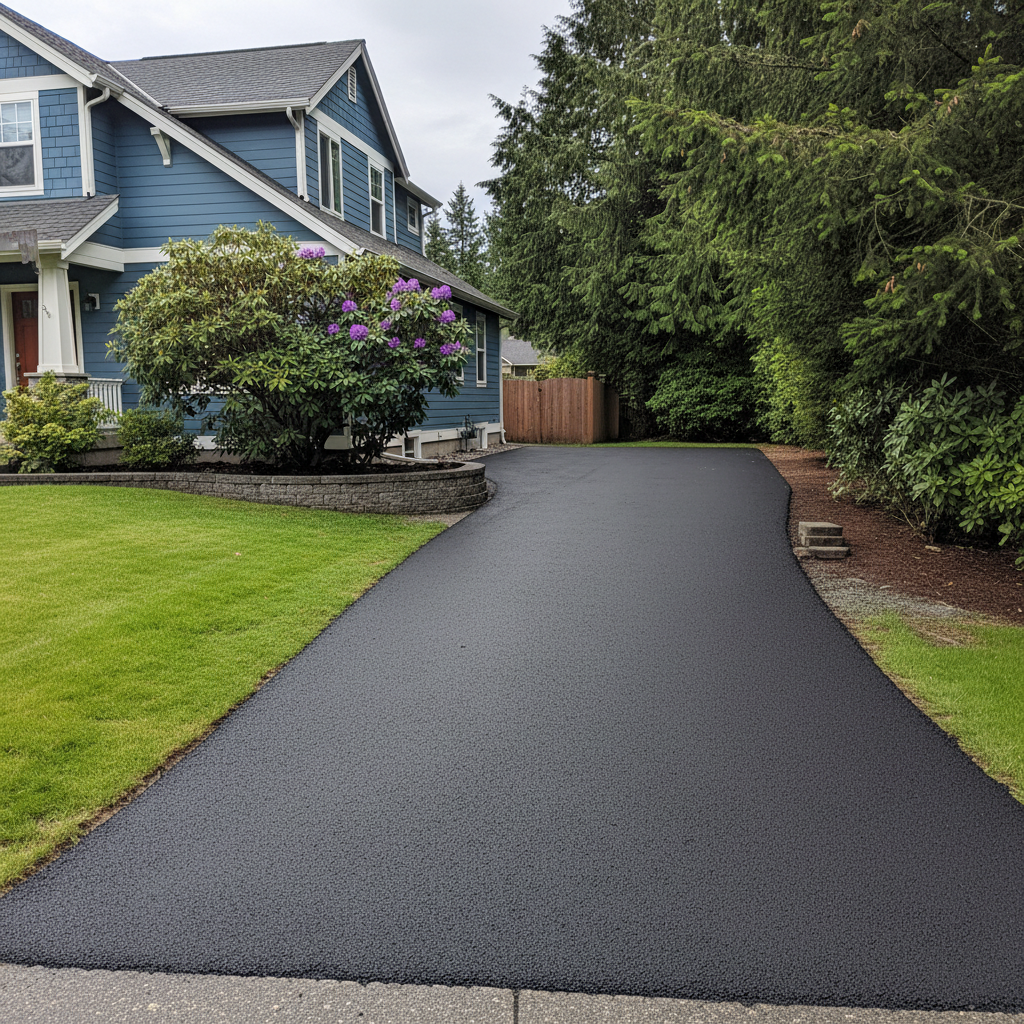
You're ready to fix up that cracked driveway or maybe put in a brand-new one. Great! But before you jump in, let's talk about some of the big mistakes I see homeowners in Everett make all the time. Trust me, avoiding these can save you a ton of headache and money down the line.
Mistake #1: Going with the Lowest Bid, Every Time
I get it, everyone wants a good deal. But when it comes to asphalt, the cheapest bid is almost never the best one. You're not buying a gallon of milk here; you're investing in a surface that needs to last for years, through our wet Everett winters and the occasional hot summer.
What happens with the super-low bids? Corners get cut. Maybe they're using less aggregate in the mix, or the base isn't properly prepared. They might skimp on the thickness of the asphalt itself. I've seen driveways that look great for six months, then start crumbling because the foundation wasn't right. Or they use cheap sealants that don't protect against our constant rain.
A good contractor isn't just selling you asphalt; they're selling you expertise, proper materials, and a guarantee. Ask for a detailed breakdown of what's included. If one bid is drastically lower than the others, there's usually a reason, and it's rarely a good one for you.
Mistake #2: Not Checking References or Licenses
This seems obvious, right? But you'd be surprised how many folks skip this step. Anyone can buy a truck and a roller and call themselves an asphalt company. Especially in a growing area like Everett, you'll see new 'companies' pop up all the time.
Before you sign anything, ask for references. Call those past clients. Ask them about the contractor's communication, timeliness, and the quality of the work a year or two later. Did they stand behind their work? Also, make sure they're licensed and insured. In Washington, contractors need to be registered with the Department of Labor & Industries. You can look up their license online. If they're not licensed, you're opening yourself up to huge risks if something goes wrong, like an injury on your property or shoddy work.
A reputable company, like Valley Asphalt Solutions, will be happy to provide this information. We've built our business on trust and quality, and we want you to feel confident in your choice.
Mistake #3: Ignoring the Importance of the Base Layer
This is probably the biggest culprit for premature driveway failure, especially with our clay-heavy soils around areas like Silver Lake. People think asphalt is just a layer on top, but the real work happens underneath. The base layer is what provides stability and drainage. If it's not properly excavated, compacted, and graded, your asphalt won't stand a chance.
A weak base leads to cracking, potholes, and sinking spots. Our freeze-thaw cycles here in the Pacific Northwest, even if they're not extreme, can really exploit a poorly prepared base. Water gets in, freezes, expands, and then you've got problems. Make sure your contractor details exactly how they'll prepare the subgrade and what materials they'll use for the base.
Mistake #4: Not Understanding the Project Scope or Contract
Don't just skim the contract and sign. Read it. Understand what's included and, just as importantly, what's not included. Is site preparation covered? What about drainage solutions? How thick will the asphalt be? What kind of warranty are they offering?
I've seen situations where a homeowner thought they were getting one thing, and the contractor delivered something less because it wasn't explicitly spelled out. Get everything in writing. If you have questions, ask them before the work starts. A good contractor will take the time to explain everything clearly.
Mistake #5: Forgetting About Ongoing Maintenance
A new asphalt driveway isn't a 'set it and forget it' kind of deal. It needs some love to last. One common mistake is neglecting sealcoating. Sealcoating protects your asphalt from UV rays, water penetration, and oil spills. It's like sunscreen and a raincoat for your driveway.
Typically, you should sealcoat a new driveway within the first year, and then every 2-3 years after that, depending on traffic and weather exposure. If you let it go too long, the asphalt will dry out, become brittle, and start to crack. Then you're looking at more expensive repairs down the road.
Also, deal with small cracks as they appear. Don't let them turn into potholes. Filling cracks promptly keeps water out of the base, which, as we just talked about, is crucial.
Look, getting a new driveway or repairing an old one is a significant investment in your home. By avoiding these common mistakes, you'll ensure you get a durable, good-looking surface that adds value and curb appeal for years to come. Do your homework, ask the right questions, and don't be afraid to walk away if something feels off. Your peace of mind is worth it.